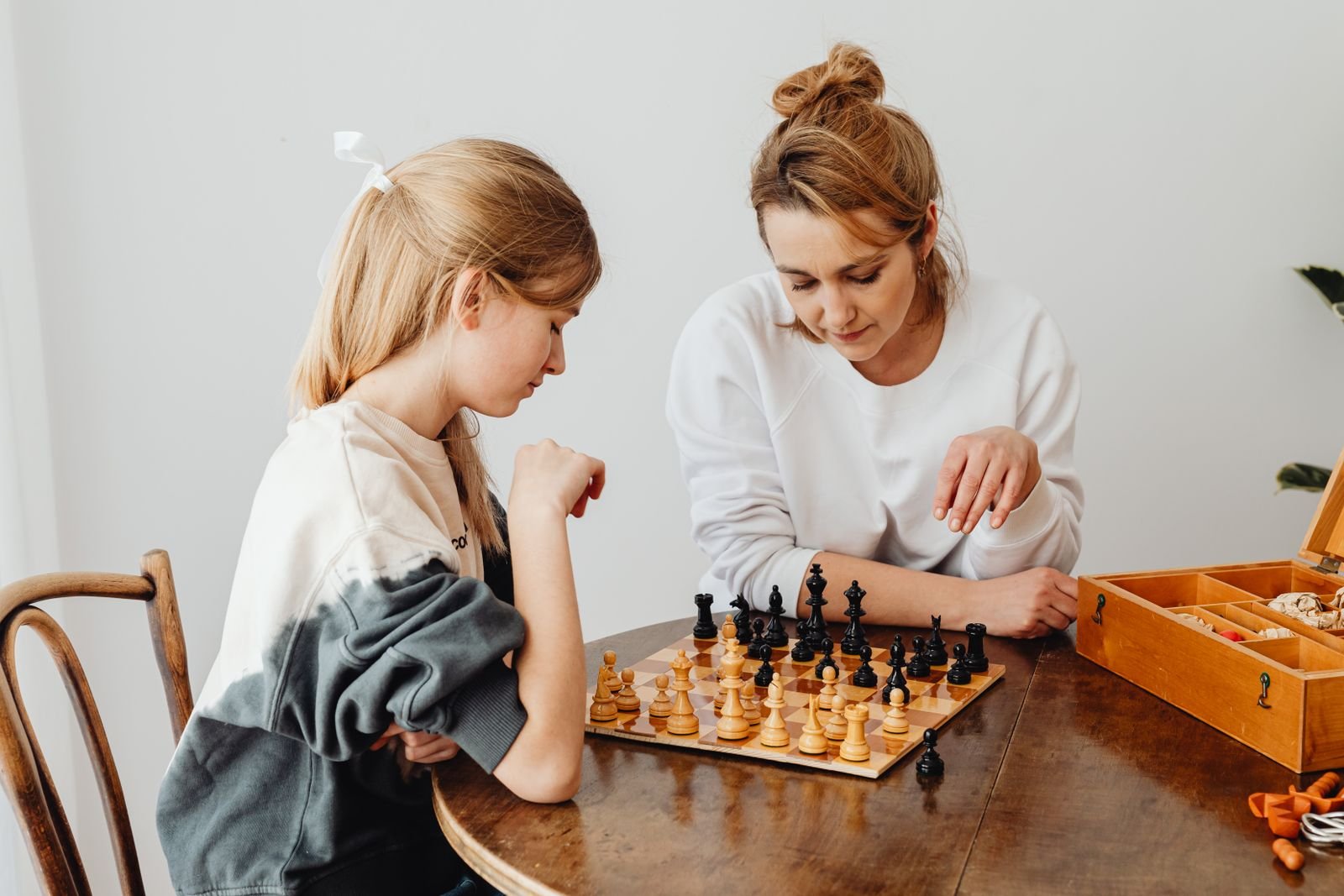
When was the last time your whole household sat together for an evening with no screens, no rushing, and no agenda except enjoying each other’s company? A regular family game night costs almost nothing, builds closeness, and creates the kind of shared memories that children carry into adulthood. The trick is to make it simple, fun, and something everyone looks forward to.
Why Family Game Night Is Worth the Effort
Playing together does more than fill an evening.
- It strengthens bonds. Laughing, teasing, and cooperating create warmth that ordinary routines do not.
- It teaches useful skills. Children practice taking turns, following rules, planning ahead, and handling disappointment.
- It supports learning. Word, number, and strategy games build vocabulary, math, memory, and logical thinking in a natural way.
- It reduces screen time. A fixed evening of shared play gives everyone a break from devices.
- It opens conversation. People often chat more easily when their hands are busy with a game.
Step 1: Pick a Regular Time
Consistency turns an occasional idea into a tradition. Choose a day and time that suits most people, such as Friday evening or Sunday afternoon, and keep it for at least a month. One to two hours is enough for most families. Put it on the calendar, announce it in advance, and treat it like any important appointment. Children who know it is coming tend to anticipate it.
Step 2: Choose Games That Suit Everyone
The best game is one that all players can understand and enjoy. Mix types so that everyone gets a turn at their favorite.
- Classic board games: chess, checkers, draughts, ludo, snakes and ladders, and dominoes have simple rules and suit a wide range of ages.
- Word and trivia games: Scrabble, word search races, general knowledge quizzes, and category games work well for teens and adults, and can be simplified for younger children.
- Cooperative games: in these, everyone works together to beat the game rather than each other. They are excellent when competition causes tension.
- Puzzles: a large jigsaw left on a table lets people join in and drift away at their own pace.
- Memory and matching games: great for young children and surprisingly challenging for adults.
- Active party games: charades, guess the object, treasure hunts, and “20 questions” need no equipment.
Choose games based on the youngest and oldest players. Take turns choosing the game so that each person feels heard. Avoid games built around betting or chance for money, and keep the focus on skill, laughter, and teamwork.
Step 3: Set the Mood
A little atmosphere makes the evening feel special. Clear the table, turn off the television, and put phones in a basket or another room. Dim the lights slightly, or use a warm lamp. Play soft music before the game starts if you like, and turn it off during play so people can hear each other. Prepare snacks in advance so no one has to leave the table for long.
Step 4: Plan Simple Snacks
Food adds to the fun without needing much effort. Offer finger foods that do not make a mess of the game pieces: sliced fruit, nuts, popcorn, dates, small sandwiches, homemade pizza squares, or baked treats. Serve drinks such as juice, mint tea, or sparkling water with lemon. Let children help prepare, which makes them feel involved in the event.
Step 5: Agree on Ground Rules
A few shared rules make the evening smoother.
- Everyone plays, or at least stays at the table, for the start of each game.
- Read the rules together and agree on them before you start. Settle disputes calmly, perhaps with a vote.
- Be a good sport. Congratulate winners, accept losses kindly, and avoid mocking.
- Younger players can have small advantages or team up with an older person.
- Phones and devices stay away until the game night is over.
Step 6: Handle Competition and Feelings
Some children, and some adults, find losing hard. Talk about this openly. Praise effort, creativity, and good decisions as well as winning. Play a few cooperative games so that everyone shares the victory. If a game turns tense, take a break, change to something lighter, or switch teams. Adults can model good behavior by laughing at their own mistakes and encouraging others.
Avoid letting children win every time, since they learn from honest play. At the same time, make sure the experience stays enjoyable and age-appropriate. Adjust rules, such as giving younger players extra tries, so they remain engaged.
Step 7: Keep It Fresh
Traditions last when they evolve. Rotate who chooses the game, introduce a new one each month, and try themed nights: a quiz night with family teams, a puzzle evening, a card-free “trivia and snacks” night, or an outdoor evening game if the weather is pleasant. Keep a notebook to record scores or funny moments. A small “family champion” certificate or a silly trophy that moves from winner to winner can add playful excitement.
Budget-Friendly and DIY Ideas
You do not need to buy expensive games. Create your own:
- Make a quiz with questions about family history, geography, or the children’s school subjects.
- Draw your own bingo cards with words, pictures, or numbers.
- Build a scavenger hunt around the house with written clues.
- Write words on slips of paper for charades or a guessing game.
- Build towers with cups or blocks, or challenge each other with simple paper airplanes.
- Check libraries, second-hand shops, and neighbors for games to borrow or buy cheaply.
Include the Whole Family
Grandparents, cousins, and neighbors can join the evening from time to time and bring different stories and skills. Older relatives often love teaching classic games they played in their youth. If someone lives far away, consider a shared online word game or quiz by video call, keeping the evening mainly screen-free for the people at home.
Frequently Asked Questions
What if my teenagers say they are too old for it?
Give them a say in the choice of games, make it short, and bring in more challenging options like strategy or trivia games. Many teens enjoy it more when they have some control.
How do I manage a wide age gap?
Choose simple games with luck and skill, play in teams that mix ages, or divide the evening so that part is for little ones and part for older players.
How often should we do it?
Weekly is ideal, but every two weeks or monthly can work if it is reliable. Consistency matters more than frequency.
What if we run out of ideas?
Ask each person to propose a game or activity, search for lists of family games, or invent your own with simple rules.
The Takeaway
Family game night does not need special equipment or a big budget. It needs a regular time, a few well-chosen games, some snacks, and a spirit of kindness and fun. Pick a date this week, let everyone suggest a game, and start building a tradition that your family will remember.