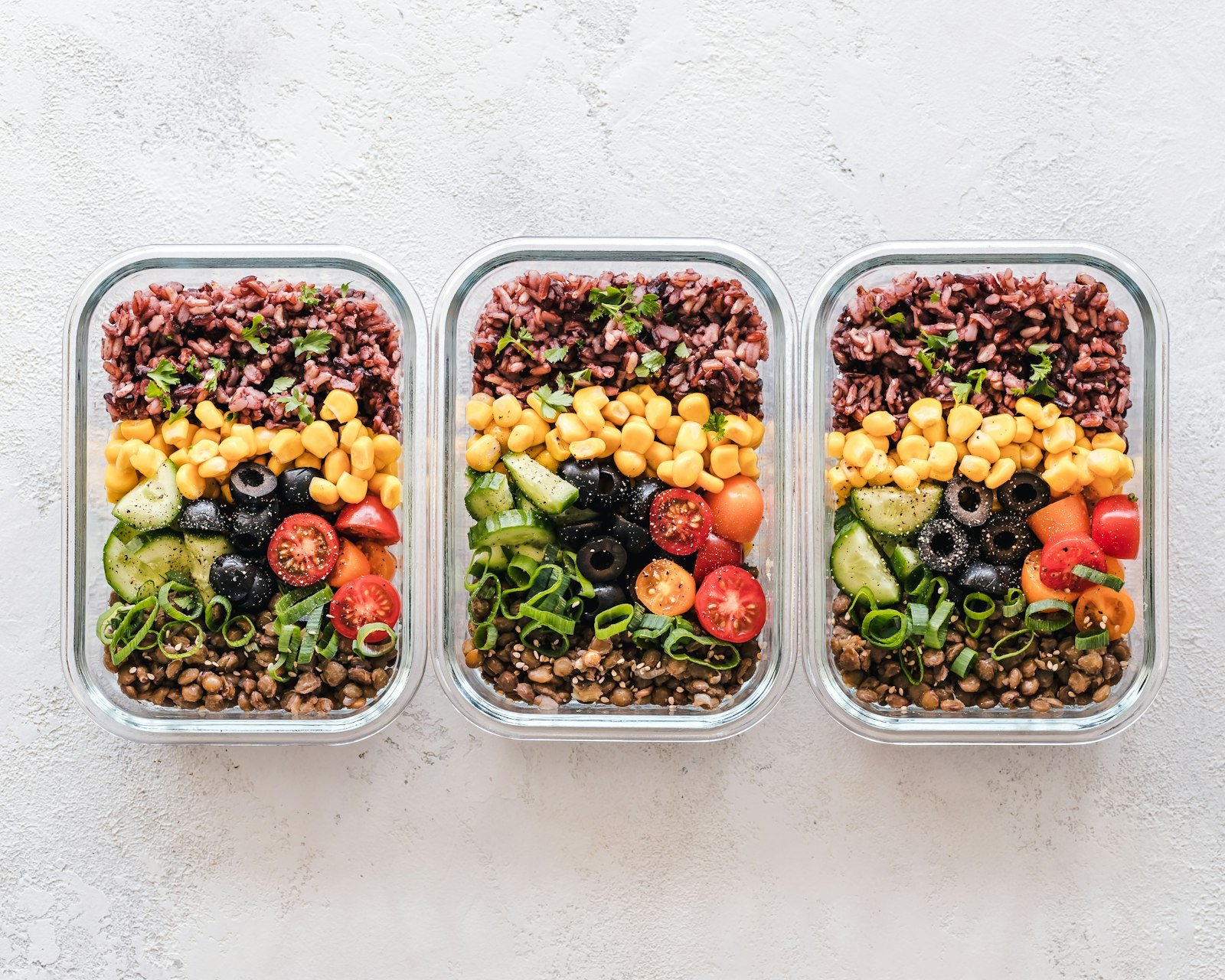
It is 6:30 p.m. You are tired, the fridge looks like a puzzle, and the question “What are we eating tonight?” returns for the hundredth time. Most of the stress around daily meals comes from one thing: deciding at the last minute. A simple weekly plan removes that pressure, saves money, and makes healthy eating the easy choice.
Why Meal Planning Works
When you plan, you decide once instead of every evening. That brings real benefits.
- Less food waste. You buy what you will actually cook, so fewer vegetables wilt in the back of the fridge.
- Lower spending. Shopping with a list cuts impulse purchases and last-minute takeaway orders.
- Better nutrition. Planning makes it easier to balance protein, vegetables, and grains across the week.
- More free time. A prepared base turns a 45-minute dinner into a 15-minute one.
- Calmer evenings. The mental load of “what now?” simply disappears.
Step 1: Check Your Week First
A good plan fits your real schedule, not an idealized one. Look at the days ahead. Which evenings are busy? When are guests visiting? Which days do you finish early? Match effort to energy: simple meals for packed days, more involved recipes for calm ones. Also note how many people you are feeding and whether anyone needs packed lunches.
Step 2: Take Stock of What You Have
Before planning anything new, scan your fridge, freezer, and pantry. Build the first meals around items that need using soon, such as leftover rice, vegetables near their end, or beans and lentils already on the shelf. This single habit can noticeably reduce waste.
Step 3: Choose a Simple Framework
You do not need seven different recipes. Many people find a loose formula easier to follow.
- Theme nights: for example, a legume dish one night, a rice-based dish another, a soup night, a pasta night, a grill or oven-tray night. Themes narrow the choices and speed up decisions.
- Base plus variations: cook one large batch of something versatile, like roasted vegetables or a pot of chickpeas, and change the seasoning and sides during the week.
- Rotation of favorites: keep a list of 10 to 15 meals your household enjoys and rotate them, adding one new recipe a week.
Step 4: Plan Balanced Plates
Instead of counting every nutrient, use a simple visual guide. Aim for about half the plate to be vegetables or salad, a quarter protein such as fish, chicken, eggs, lentils, or beans, and a quarter whole grains or starchy foods such as rice, bread, potatoes, or couscous. Add a little healthy fat like olive oil or nuts. This approach covers most needs without any math.
Step 5: Write the Shopping List by Section
Turn your plan into a list organized by store section: produce, grains and pantry, dairy and eggs, meat and fish, frozen, and household extras. This keeps you moving through the store efficiently and avoids forgotten items. Check quantities against what you already own, and buy staples like onions, tomatoes, oil, and spices only when low.
Stick to the list. If something looks tempting, give yourself one small flexible item per trip instead of drifting into unplanned extras.
Step 6: Do a Short Prep Session
An hour of preparation on a quiet day can make the whole week smoother. You do not need to cook everything. Focus on tasks that save the most time later.
- Wash and chop vegetables and store them in airtight containers.
- Cook a big pot of rice, couscous, or lentils.
- Marinate meat or fish for the first two days.
- Make a sauce, dressing, or soup base that can be reused.
- Portion snacks like nuts, fruit, or yogurt for easy grabbing.
Label containers with the date, and keep prepared food for the number of days that food safety guidelines recommend, generally about three to four days in the refrigerator for cooked dishes. Freeze extra portions for later weeks.
Handle Leftovers Smartly
Leftovers are not boring if you transform them. Roast chicken becomes a wrap filling or a soup the next day. Extra rice becomes fried rice or a stuffed pepper filling. Roasted vegetables turn into a flatbread topping. Plan one “use-it-up” night each week to clear the fridge before the next shop.
Keep Your Plan Flexible
Life interrupts plans. A guest drops by, a child falls sick, or you simply do not feel like what is on the list. Build in one open night and allow yourself to swap days. If you skip a meal, move the ingredients to the next day instead of throwing them away. The plan is a guide, not a contract.
Tips for Families and Busy Households
Invite family members to suggest a meal each week; people eat happily what they helped choose. Keep a master list of quick dinners that take under 20 minutes for the hardest days. Post the weekly menu where everyone can see it, such as on the refrigerator door, to reduce the daily question. If you cook for one or two people, plan to cook larger portions twice a week and eat the rest later.
Frequently Asked Questions
How far ahead should I plan?
One week is a good starting point. Some people plan only four or five dinners and leave the rest open. Find the level that feels useful and not restrictive.
Do I need an app or template?
No. A sheet of paper or a notes app works. Apps can help with recipes and lists, but consistency matters more than the tool.
What if I do not like cooking?
Choose simple, low-effort meals, use pre-chopped or frozen vegetables, and rely on one-pot recipes. Planning helps most when cooking feels like a chore.
How do I stop planned meals from going unused?
Plan fewer meals than you think you need, keep ingredients versatile, and schedule a use-it-up night to catch anything left over.
The Takeaway
Meal planning is not about rigid menus. It is about making daily decisions easier. Check your week, shop from a list, prepare a few basics, and allow some flexibility. Start with just three planned dinners this week and build from there.