Good hospitality is one of the oldest and most appreciated life skills. Yet for many people, the idea of hosting brings more worry than joy: Will the house be clean enough? Will there be enough food? Will everyone feel comfortable? The truth is that guests remember warmth far more than perfection. With a little planning, you can welcome people calmly and enjoy their company yourself.
Start With the Purpose and the Guest List
Before planning anything, ask what kind of gathering this is. A relaxed tea with a neighbor, a family lunch, a celebration, and a formal dinner each need different effort. Decide how many people are coming and how long they will stay. A smaller, well-organized visit is far better than a crowded one that leaves you exhausted.
Send invitations early enough for people to plan. A short message with the date, time, and any practical details is enough. Ask politely about dietary needs, allergies, and preferences, and whether anyone is bringing children, so you can prepare suitably.
Plan Your Menu Wisely
The best menu is one you can prepare mostly in advance. Choose dishes you have cooked before, and avoid testing three new recipes on guest day.
- Pick a simple structure: a starter or light salad, one or two main dishes with sides, and a dessert with fruit.
- Choose make-ahead dishes: stews, baked dishes, soups, rice dishes, and desserts often taste better after resting.
- Offer variety: include at least one vegetarian option and keep spices adjustable so everyone can enjoy the food.
- Prepare more than you think: but do not overdo it. Leftovers are a pleasant gift to send home with guests.
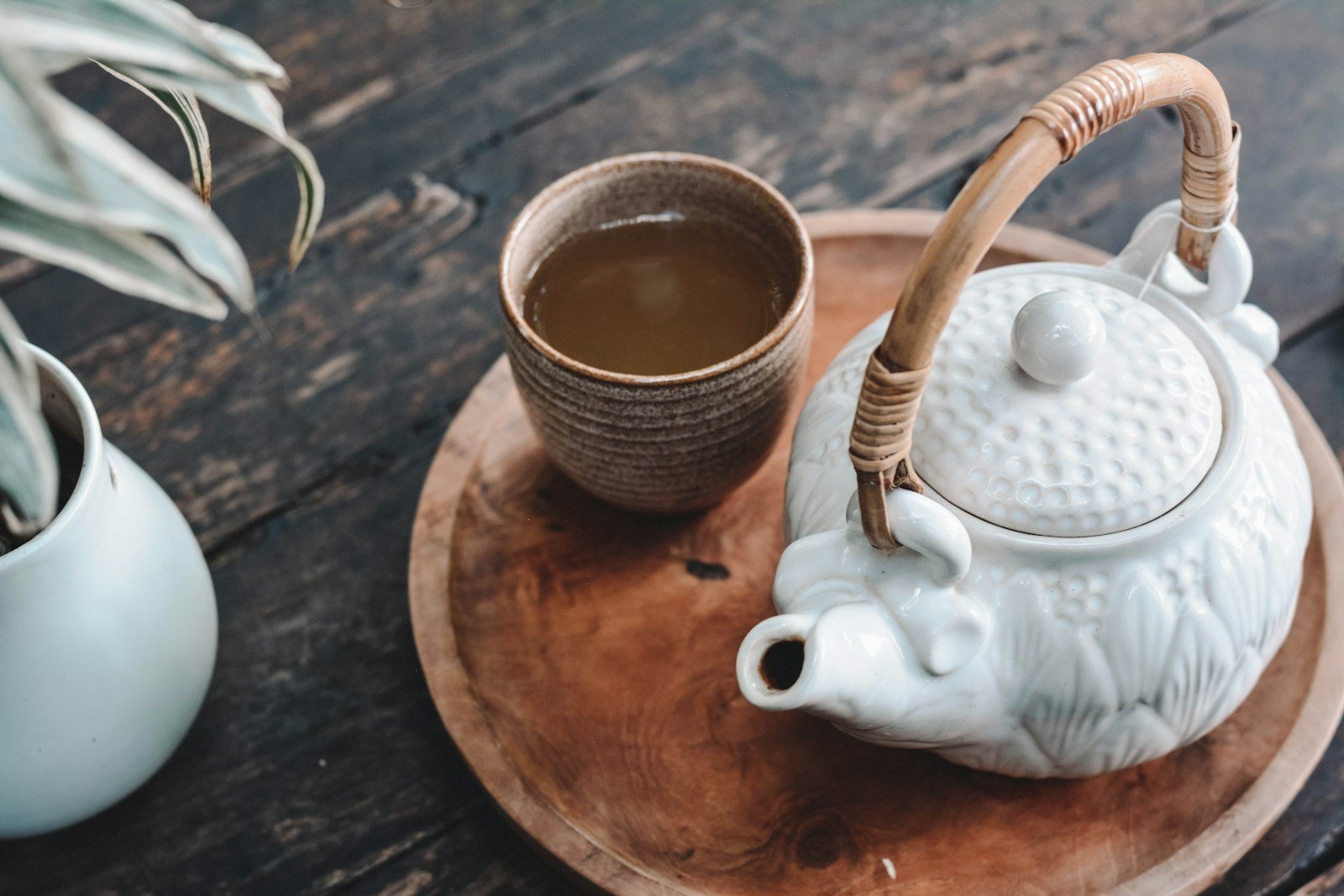
- Offer a good selection of drinks: fresh juice, water with lemon or mint, and hot tea or coffee. A beautiful drinks tray makes any gathering feel special.
Prepare the Home in Stages
You do not need a spotless house, only a welcoming one. Focus on the areas guests will use.
- Entrance: clear the doorway, make room for shoes and coats, and make sure the area is bright and tidy.
- Living and dining areas: remove clutter, wipe surfaces, plump cushions, and arrange seating so people can talk comfortably.
- Bathroom: clean it well, and stock fresh towels, soap, and tissue. This is the room guests notice most.
- Kitchen: clear counters and empty the dish rack so you have working space.
Do a deep clean two days before, then a quick tidy on the day. Open windows for fresh air an hour before guests arrive, and add a light, pleasant scent, such as a simmering pot with citrus peel or a few fresh flowers.
Set the Atmosphere
Small touches create a feeling of care without cost. Use soft lighting rather than harsh overhead lights. Lay the table with clean linens or a simple runner, and use your good dishes if you have them. A small bowl of dates, nuts, or fruit within reach gives people something to enjoy as they settle in. Keep background sound gentle, if you use any, so conversation stays easy.
Build a Timeline for the Day
A simple schedule prevents last-minute panic.
- Two to three days before: finalize the menu, shop, deep-clean, and prepare desserts or sauces.
- The day before: cook make-ahead dishes, chop vegetables, set the table, and arrange seating.
- Morning of the event: finish cooking, tidy the house, prepare drinks, and organize serving dishes.
- One hour before: shower and change, set out snacks, and take a few minutes to breathe.
Write the plan on paper and tick items off. Having it on paper frees your mind.
Welcome Your Guests Warmly
When people arrive, greet them at the door with a smile, take their coats, and offer a drink right away. Introduce guests who do not know each other and mention something they have in common to start conversation. Show them where the bathroom is. A generous welcome in the first five minutes sets the tone for the whole visit.
During the gathering, move around the group, include quieter guests, and avoid disappearing into the kitchen for long stretches. If you prepared well, your time with guests should be most of the event.
Be Considerate of Everyone’s Comfort
Think about the needs of different guests. Elderly visitors may prefer a comfortable chair close to the conversation. Parents may appreciate a space for children to play and a few simple activities. Anyone visiting your home for the first time may feel shy, so a friendly question helps them settle in. Keep topics of conversation pleasant and avoid anything that could cause arguments or embarrassment.
Handle Surprises Gracefully
Something almost always goes slightly wrong: a dish is late, someone arrives early, or a glass breaks. Stay calm. Guests take their cues from you, and a relaxed host makes any hiccup a non-event. Keep a few backup items in the pantry, such as extra bread, fruit, and a simple dessert, in case you need to stretch the meal.
Saying Goodbye and Following Up
When guests leave, thank them sincerely for coming, walk them to the door, and offer leftovers if appropriate. A brief message the next day, thanking them and mentioning a pleasant moment, strengthens the relationship. Do not rush to clean everything immediately. Enjoy the quiet, soak the dishes, and finish in the morning if you are tired.
Being a Good Guest in Return
Hospitality goes both ways. When you visit, arrive on time, bring a small thoughtful gift such as sweets, fruit, or flowers, offer to help, and express gratitude. These habits make you a welcome guest and encourage a culture of generosity in your circle.
Frequently Asked Questions
How can I host if my home is small?
Keep the guest list modest, rearrange furniture for conversation, and use a buffet or a sit-on-the-floor arrangement with cushions. Warmth matters more than size.
What if I am not a confident cook?
Choose simple dishes you know well, and complement them with good bread, fresh salads, fruit, and a store-bought dessert. Nobody expects a restaurant meal.
How much food is enough?
A common guideline is to plan about one and a half portions per adult for a main meal when you have several dishes. Adjust for appetites and the number of courses.
How do I keep children busy?
Set aside a corner with coloring materials, books, or a simple game, and ask older children to help with small tasks. They enjoy feeling included.
The Takeaway
Hosting is a skill that improves with practice. Plan a manageable menu, prepare the home in stages, build a simple timeline, and welcome people with real attention. Your guests will not remember the exact dishes, but they will remember how they felt in your home.