Food is one of the few household expenses you control every single week. A few habits at the shop, the market, and the fridge can reduce your bill noticeably without making your meals boring. This is not about extreme couponing. It is about small, repeatable choices that add up.
Know What You Currently Spend
Savings begin with awareness. For one month, keep every receipt or note down grocery spending in your phone. Add up the total, and note how much goes to staples, fresh produce, snacks, drinks, and household items. Many people discover that a surprising amount goes to small extras: packaged snacks, soft drinks, or ready meals. Once you see the picture, you can set a realistic weekly target.
Shop With a Plan and a List
The biggest budget leak is shopping without a plan. Before leaving home, check your fridge, freezer, and pantry. Decide on your main meals for the next few days, and write a list sorted by store section. Stick to it. Research on shopping behavior consistently shows that unplanned purchases are a major source of overspending, especially when you are hungry or in a rush.
- Eat before you shop so that everything does not look tempting.
- Go once or twice a week rather than daily, since each visit invites extra purchases.
- Take cash or a set amount for the trip, if that helps you stay within a limit.
- Leave the children’s favorite treats for a planned item on the list, so that it does not turn into a negotiation at the till.
Compare Unit Prices, Not Package Prices
A bigger package is not automatically cheaper. Look at the unit price, usually shown per kilogram or per liter on the shelf label. If it is not shown, divide the price by the weight. Comparing in this way often reveals that a mid-size pack beats a large one, or that a store brand costs much less than a well-known label for identical quality.
Try store brands for basics such as flour, rice, pasta, oil, canned tomatoes, and cleaning products. The ingredients are frequently very similar, and the saving can be substantial.
Buy Seasonal and Local Produce
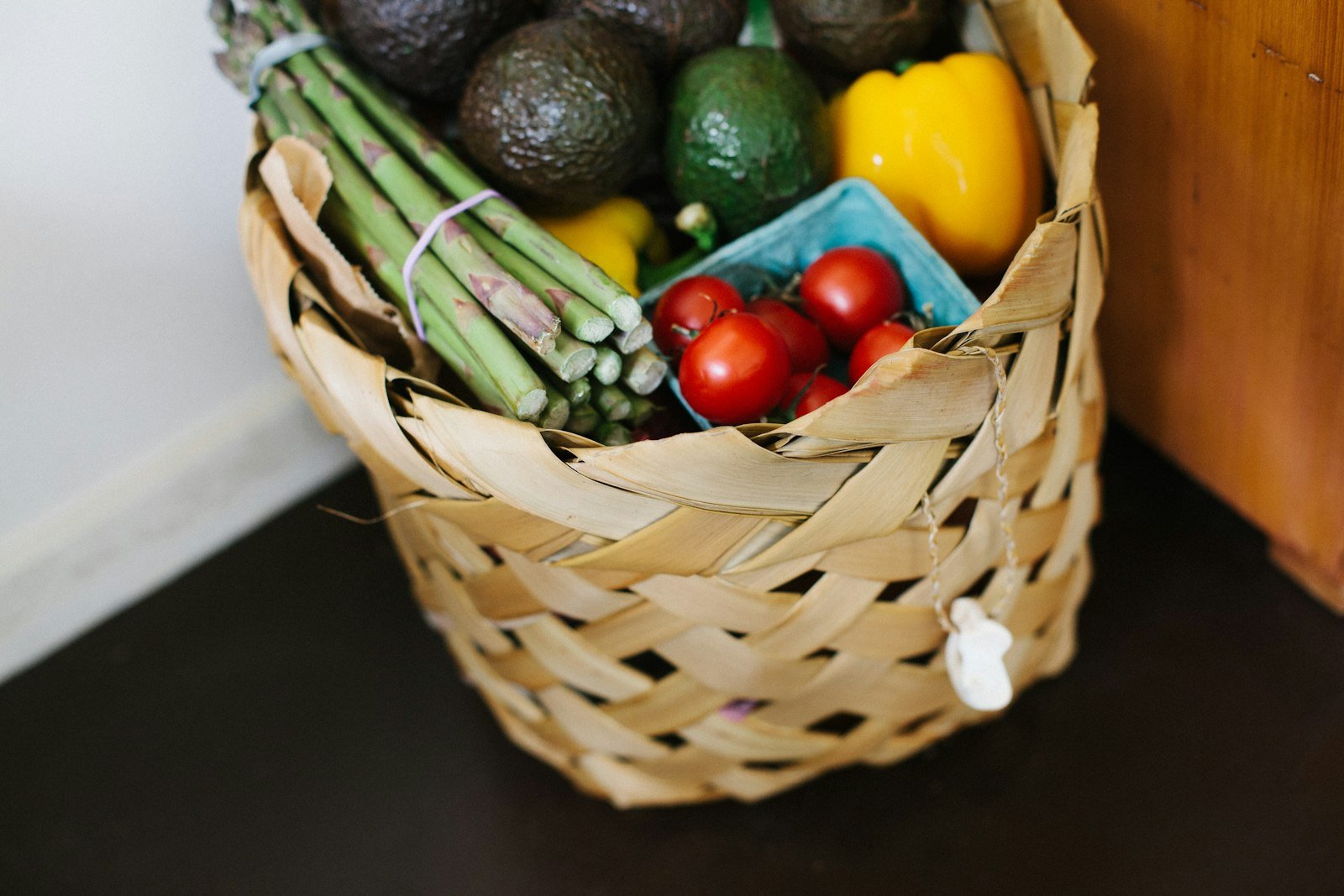
Fruit and vegetables cost less and taste better when they are in season, because supply is abundant and transport is short. Visit local markets, especially near closing time when some sellers lower prices. Build your menu around what is cheap and fresh, such as tomatoes and peppers in summer, or oranges, carrots, and leafy greens in cooler months. Frozen vegetables and fruit are also excellent value, since they are picked ripe, last long, and produce little waste.
Be Smart About Protein
Protein is often the most expensive part of a meal, but you have many choices.
- Include more legumes, such as lentils, chickpeas, and beans, which are cheap, filling, and nutritious.
- Buy whole chickens or larger cuts and portion them yourself, since cut and pre-packed pieces cost more.
- Choose less expensive fish, such as sardines and mackerel, which are also rich in nutrients.
- Use eggs as an affordable protein for quick meals.
- Stretch smaller amounts of meat in stews, soups, and rice dishes with vegetables and grains.
Buy in Bulk Only When It Makes Sense
Bulk buying can save money on items you use steadily and that keep well, such as rice, flour, dried legumes, oil, and cleaning supplies. It does not help with perishable items you may not finish, or with products you rarely use. Check the unit price, make sure you have storage space, and consider sharing large packs with a neighbor or relative.
Read Promotions Carefully
Sales can be real bargains or clever marketing. Before you buy, ask: Do I already use this? Will I use it before it expires? Is it truly cheaper than the usual price elsewhere? Multi-buy offers such as “three for the price of two” help only if you need three. Be cautious with products displayed at eye level or at the end of aisles, because stores place high-profit items there. Loyalty programs can help if you actually shop at that store anyway, but do not change your habits just to collect points.
Shop Around Smartly
Prices vary between shops and markets. Compare a standard basket of ten or so items across two or three places in your area, and use the cheapest for staples and the best for fresh produce. Do not spend more on fuel or time traveling than you save. If you have a choice, consider shopping at different times of day, since some stores reduce prices on fresh items later in the afternoon or evening.
Cut Waste at Home
Throwing away food is throwing away money. The easiest saving is eating what you buy.
- Store food properly: keep herbs in water, wrap leafy vegetables in a cloth, and keep onions and potatoes in a cool, dark place.
- Place older items at the front of the fridge and pantry so they get used first.
- Freeze bread, cooked meals, and extra portions before they spoil.
- Learn the difference between “best before” and “use by” dates. The first relates to quality, while the second relates to safety.
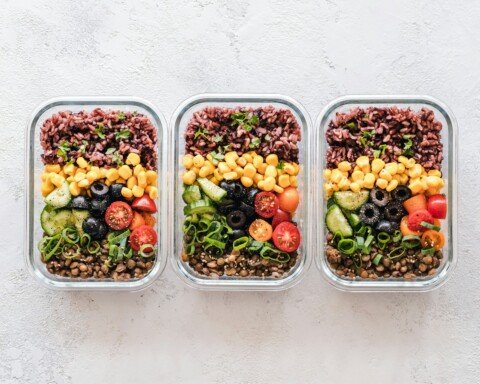
- Plan one meal each week from leftovers and ingredients that need to be used up.
- Make stock, soups, and sauces from vegetable scraps and bones where suitable.
Cook More, Buy Less Ready-Made
Pre-prepared foods cost more because you pay for convenience. Cooking basic dishes at home, even simply, is almost always cheaper and often healthier. Prepare larger batches and freeze portions for busy days. Make your own coffee or tea, and carry water, since drinks bought outside add up quickly. Cutting a few daily takeaway items can free a noticeable sum each month.
Reduce Non-Essential Extras
Look at the items that fill the basket without feeding anyone: sugary drinks, crisps, sweets, and heavily packaged snacks. Replace some with cheaper, more filling alternatives such as fruit, nuts bought in bulk, homemade popcorn, or yogurt with oats. Keep a small treat budget so that you enjoy them without guilt, instead of banning them completely.
Set a Weekly Budget and Track It
Decide on a weekly grocery amount based on your income and household size, and review it each month. Write your spending in a notebook or a simple app. If you overspend one week, adjust the next. A shared household budget works best when everyone understands the target and contributes ideas for savings.
Frequently Asked Questions
Is it cheaper to shop online?
It can be, because you avoid impulse purchases and can compare prices easily. Watch for delivery fees and substitution rules.
Do I need to eat less to save money?
No. The aim is to waste less and buy smarter, not to go hungry or sacrifice nutrition.
How much can I realistically save?
It varies, but households that plan meals, cut waste, and compare prices often see meaningful reductions within a couple of months.
Are organic and specialty foods worth it?
Sometimes, depending on your priorities and budget. A balanced diet of ordinary fresh and minimally processed foods is the foundation, so focus there first.
The Takeaway
Lower grocery bills come from a handful of habits: plan before you go, compare unit prices, buy seasonal food, use cheaper proteins, and waste less. Start with two changes this week, such as writing a list and checking unit prices, and add more as they become routine.