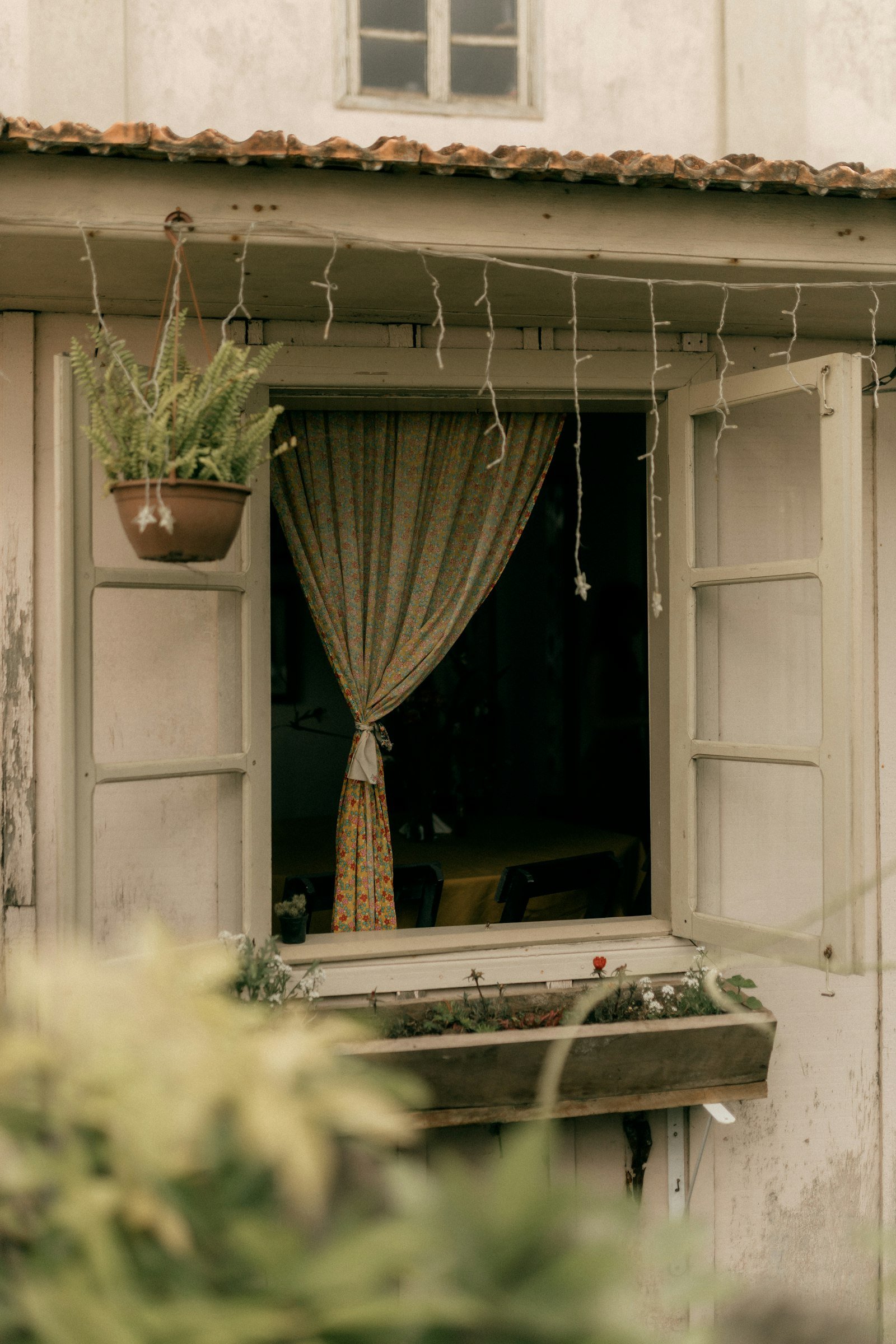
When summer arrives, many homes turn into ovens. The usual response is to switch on the air conditioner and accept a high electricity bill. Yet people have kept houses comfortable for centuries with clever design and simple habits, long before modern cooling existed. With a few low-cost changes, you can lower indoor temperatures noticeably and rely much less on air conditioning.
How Heat Gets Into Your Home
To keep a house cool, it helps to understand where the heat comes from.
- Sunlight through windows. This is usually the biggest source. Direct sun can heat a room very quickly.
- Heat through the roof and walls. Sun-baked roofs and walls slowly pass warmth inside, especially on top floors.
- Hot air leaking in. Gaps around doors and windows let in warm air.
- Heat from inside. Cooking, ovens, lights, electronics, and even people add warmth.
The best strategy has three parts: block the heat from entering, remove the heat that is inside, and reduce the heat you create yourself.
Strategy 1: Block the Sun at the Windows
It is far easier to stop heat from entering than to remove it later. Aim to shade windows before the sun hits them.
- External shutters and awnings are the most effective, since they stop the sun before it reaches the glass. Traditional wooden or louvered shutters work very well and can be opened in the evening.
- Light-colored, thick curtains or blinds reflect heat back out. Close them on sun-facing windows during the day. White or pale linings help.
- Reflective window film reduces solar heat while still letting in light, and is easy to apply yourself.
- Shade cloth or a pergola with climbing plants over windows, terraces, and balconies creates a cool buffer zone.
- Trees and tall plants on the sunny side of the house provide shade naturally. Deciduous trees give shade in summer and let light in during winter.
Keep windows facing the sun covered during the hottest part of the day, usually from late morning to late afternoon, and uncover them when the sun moves away.
Strategy 2: Ventilate at the Right Time
Fresh air cools a home only when the air outside is cooler than the air inside. In hot climates this usually means ventilating at night and early morning.
- Open windows in the evening and overnight, and again in the early morning, to flush out stored heat.
- Close windows and shutters in the morning as the outside air warms up, and keep the cool air inside.
- Use cross-ventilation by opening windows on opposite sides of the house so air flows through. Even a small opening on each side helps.
- Open upper windows or roof vents as well, because hot air rises and escapes high.
- Where it is safe, leave interior doors open to help air move, and use mosquito screens to keep insects out.
Be careful with security and with dust or pollution. If outdoor air quality is poor or windows cannot be left open safely, use fans and shading instead.
Strategy 3: Use Fans Smartly
Fans do not lower the temperature of the air, but moving air helps sweat evaporate and makes you feel cooler. They use only a fraction of the electricity that an air conditioner needs.
- Ceiling fans should turn counterclockwise in summer, pushing air downward.
- Place a fan facing out a window in the evening to push hot air outside, while another window on the other side lets cooler air in.
- Put a bowl of ice or a damp cloth in front of a fan for a slight evaporative cooling effect.
- Turn fans off in empty rooms, since they cool people, not rooms.
Strategy 4: Keep the Roof and Walls Cooler
If you own your home, or have a roof or terrace you can modify, there are effective long-term improvements.
- Light-colored or reflective paint on roofs and exterior walls bounces sunlight away, and can lower interior temperatures noticeably. This is the reason many hot-region towns have whitewashed buildings.
- Roof insulation slows heat entering from above. Even a layer of insulation in an attic or under roof tiles makes a difference.
- Green roofs, terrace plants, and wall climbers add shade and cool the surface through evaporation.
- Seal gaps around windows, doors, and pipes with weatherstripping or caulk to keep hot air out. The same work also helps in winter.
Check building rules or ask your landlord or neighbors before changing exteriors, and use qualified professionals for roof work.
Strategy 5: Cut Down Indoor Heat Sources
- Cook early in the morning or in the evening, use lids, and consider outdoor cooking or no-cook meals such as salads and cold dishes in the hottest weeks.
- Switch to LED bulbs, which produce far less heat than old incandescent ones.
- Turn off electronics and chargers when not in use.
- Run the dishwasher, washing machine, and dryer at cooler times of day, and air-dry laundry when possible.
- Close doors to rarely used rooms and kitchens when not in use, to prevent heat spreading.
Strategy 6: Use the Cooling Power of Water and Plants
Evaporating water absorbs heat. Traditional homes used courtyards with fountains and plants for this reason.
- Sprinkle or mop tiled floors and balconies with water in the late afternoon, and let it evaporate.
- Hang a damp sheet or towel in an open window so that incoming breezes are cooled slightly.
- Place large plants and water features in sunny courtyards or on balconies.
- Consider an evaporative cooler, which works well in hot, dry air, but not in humid conditions.
Strategy 7: Choose Cooling Materials Indoors
Stone, tile, and thick walls store coolness at night and release it slowly during the day. Bare tiled floors feel cooler than carpet in summer. Choose light colors for walls and furnishings, linen or cotton bedding, and breathable fabrics. Remove heavy rugs during the hot months, and sleep in the coolest room of the home, which is often on the ground floor and on the shady side.
Practical Tips to Stay Comfortable
- Drink water regularly, and eat water-rich fruits such as watermelon, cucumber, and oranges.
- Take lukewarm showers and splash cool water on your wrists, neck, and face.
- Wear light, loose, breathable clothing.
- Avoid strenuous activity at midday, and rest in the coolest part of the house.
- Check on elderly relatives, young children, and neighbors during heat waves, as they are more vulnerable to heat illness.
Heat exhaustion and heatstroke are serious. If someone shows signs such as confusion, very high body temperature, fainting, or hot dry skin, seek emergency help immediately and move them to a cooler place.
When Air Conditioning Makes Sense
Natural cooling will not always be enough, especially in very hot or humid weather, or for people at higher health risk. If you do use air conditioning, you can lower its cost: shade windows, seal gaps, use a modest setting, and cool only the rooms you occupy. Clean filters regularly, and combine it with fans to circulate the air.
Frequently Asked Questions
Should I keep windows open or closed during the day?
When it is hotter outside than inside, keep windows and shutters closed. Open them when the outside air becomes cooler than the indoors.
Do reflective window films really work?
They can reduce heat gain considerably, especially on sun-facing windows, though they may slightly darken the room.
What is the cheapest first step?
Shade your sunniest windows, ventilate at night, and close up in the morning. These cost almost nothing and have a strong effect.
Do plants really make a difference?
Yes. They provide shade and cool the surrounding air through evaporation, particularly when planted on the sun-facing side of the home.
The Takeaway
A cooler home begins with stopping the sun, then letting the night air do the rest. Shade your windows, ventilate at the right times, use fans, and cut heat sources. Choose one or two of these ideas to try during the next hot spell and notice the difference in your comfort and your electricity bill.