You can train hard, eat well, and still wake up feeling flat. Often the missing piece is not another workout. It is the seven or eight hours when you do nothing at all.
What Your Body Does While You Sleep
Sleep looks passive from the outside, but your body is busy. During the deeper stages of the night, tissue repair picks up, the immune system does maintenance work, and the brain sorts through the day’s information. Growth hormone, which helps muscles and other tissues rebuild, is released mostly during deep sleep.
That matters if you exercise. A workout is a small, controlled stress. The strength gain happens afterward, when the body repairs and adapts. Cut the sleep short and you cut the repair window with it.
Why Poor Sleep Makes Workouts Feel Harder
Most people have noticed this: after a bad night, the same walk or the same set of squats feels heavier. Research suggests a few reasons.
- Higher perceived effort. Tired people tend to rate the same exercise as harder, so motivation drops before the first rep.
- Slower reactions and weaker coordination. Balance and timing suffer, which raises the chance of a clumsy move or a minor injury.
- Lower mood and patience. It is easier to skip a session when everything feels like an effort.
- Slower recovery. Soreness can linger longer when rest has been poor.
None of this means you must stay in bed after a short night. A gentle walk or light stretching can still help. It does mean that a heavy session on very little sleep is rarely the best use of your energy.
The Hunger Connection
Sleep also steers appetite. Studies have found that short sleep is linked with higher levels of ghrelin, a hormone that signals hunger, and lower levels of leptin, which signals fullness. A tired body asks for more food, and it tends to ask for quick energy such as sugary snacks. That is one reason poor sleepers often find healthy eating harder, even with good intentions.
How Much Sleep Do You Need?
Most health organizations suggest about seven to nine hours a night for adults. Teenagers need more, and some older adults do fine with a little less. The exact number is personal. If you fall asleep within a minute or two of lying down every night, or you need an alarm and several snoozes to get up, you may be running a sleep debt.
Quality counts as much as quantity. Eight hours broken by noise, light, or frequent waking does not restore you the way unbroken rest does.
Habits That Improve Sleep Quality
Small, boring habits beat dramatic fixes.
- Keep a steady schedule. Going to bed and waking at similar times, even on days off, helps your internal clock settle.
- Get daylight early. Morning light anchors your body clock and makes evenings sleepier.
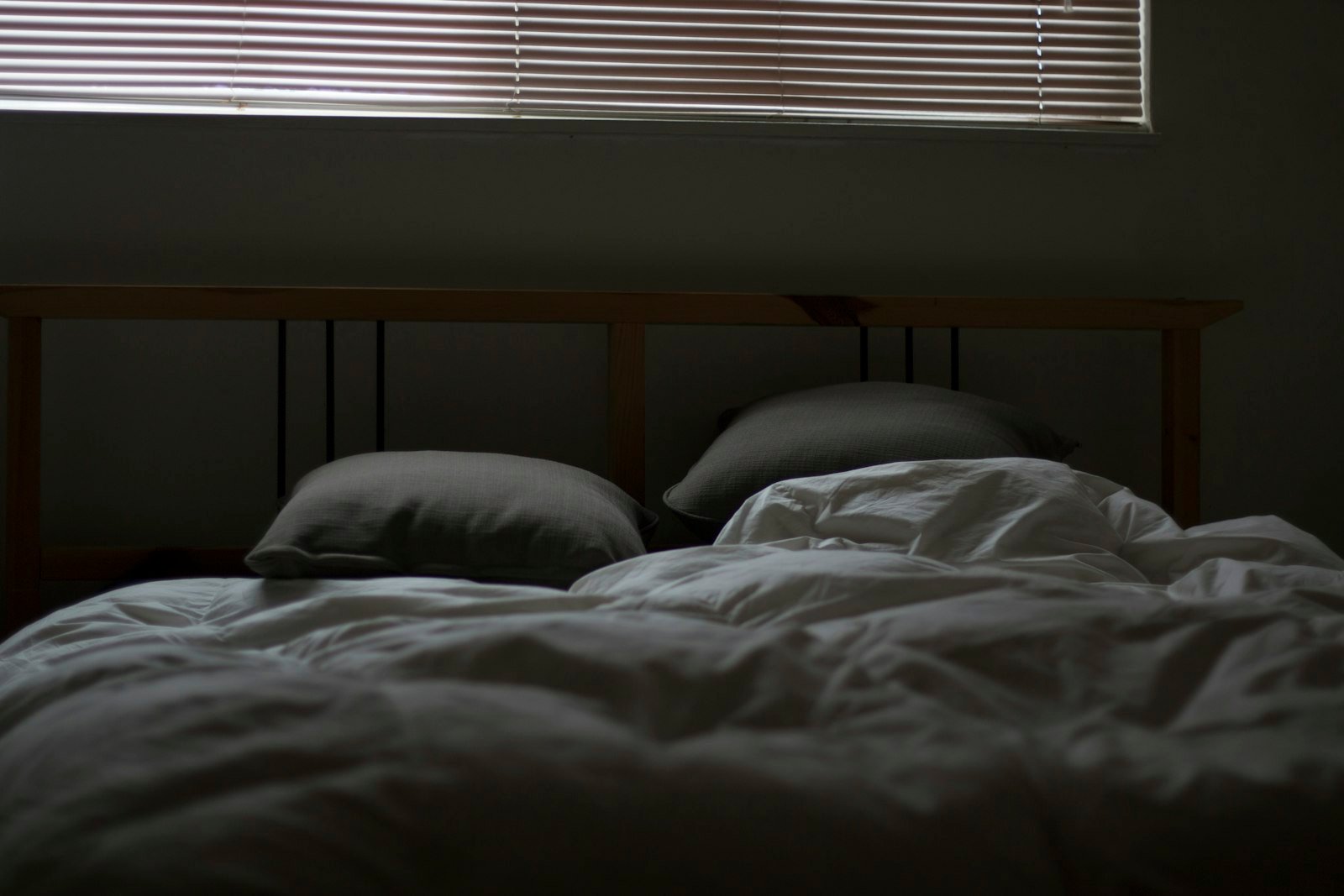
- Make the bedroom dark, quiet, and slightly cool. Blackout curtains or an eye mask cost little.
- Stop caffeine by early afternoon. Its effects last longer than most people expect.
- Finish large meals a couple of hours before bed. A heavy dinner late at night can make sleep restless.
- Keep the bed for sleep. Working or scrolling in bed teaches your brain to link it with alertness.
Build a Wind-Down Routine
The brain does not switch off on command. Give it a runway of 30 to 60 minutes. Dim the lights, move the phone to another room or at least silence it, and do something calm: a warm shower, light stretching, a few pages of a paper book, or a short note listing tomorrow’s tasks so they stop circling in your head.
Screens deserve a mention. Bright light and endless content both keep the mind switched on. You do not need a perfect ban, but an hour of lower stimulation before bed makes a real difference for many people.
Timing Your Training Around Sleep
Exercise generally improves sleep, but timing is personal. Some people sleep well after an evening session. Others feel wired. If you struggle to fall asleep, try moving intense workouts earlier in the day and keep evenings for walking or stretching.
Treat rest days as part of the plan too. Fatigue that does not lift, a resting heart rate that creeps up, nagging aches, and a flat mood can all be signs you are doing more than you are recovering from. Cutting back for a few days often fixes it faster than pushing through.
Frequently Asked Questions
Can I catch up on sleep at the weekend?
Partly. An extra hour or two can ease the fatigue after a rough week, but it does not fully undo a long run of short nights. A steady routine works better than a weekend rescue.
Is a short nap good for recovery?
A nap of 20 to 30 minutes in the early afternoon can restore alertness without leaving you groggy. Longer naps, or naps late in the day, can make it harder to sleep at night.
Does exercising late at night ruin sleep?
Not for everyone. Hard sessions close to bedtime keep some people awake, while others are fine. Test it for a week or two and go with what your own sleep tells you.
When should I see a doctor about sleep?
If you regularly struggle to fall asleep, snore loudly with pauses in breathing, wake unrefreshed despite enough hours, or feel very sleepy during the day, talk to a doctor. These can be signs of a treatable sleep problem.
The Takeaway
Think of sleep as the part of training where the results are actually built. If your routine feels stuck, protect your bedtime before you add another workout. A consistent schedule, a dark room, and a calm last hour will often do more for your strength and energy than any new program.
This article is general information, not medical advice. For personal concerns, consult a qualified doctor.