By mid-afternoon your neck is tight, your lower back is complaining, and you realize you have been hunched toward the screen for two hours. Sound familiar? Desk work is not harmful in itself, but long, still hours in one position add up.
Why Sitting Hurts More Than It Should
Your body is built to move. When you hold one posture for hours, certain muscles stay shortened or switched on while others switch off. The hip flexors tighten, the glutes go quiet, the upper back rounds, and the neck muscles work overtime to hold up a head that is often pushed forward. The head weighs several kilograms, and the further it drifts ahead of your shoulders, the more strain the neck has to absorb.
The key insight is this: the best posture is your next posture. A perfect position held for four hours will still cause trouble. Fix your setup, then change position often.
Set Up Your Desk First
A few adjustments reduce strain before you stretch a single muscle.
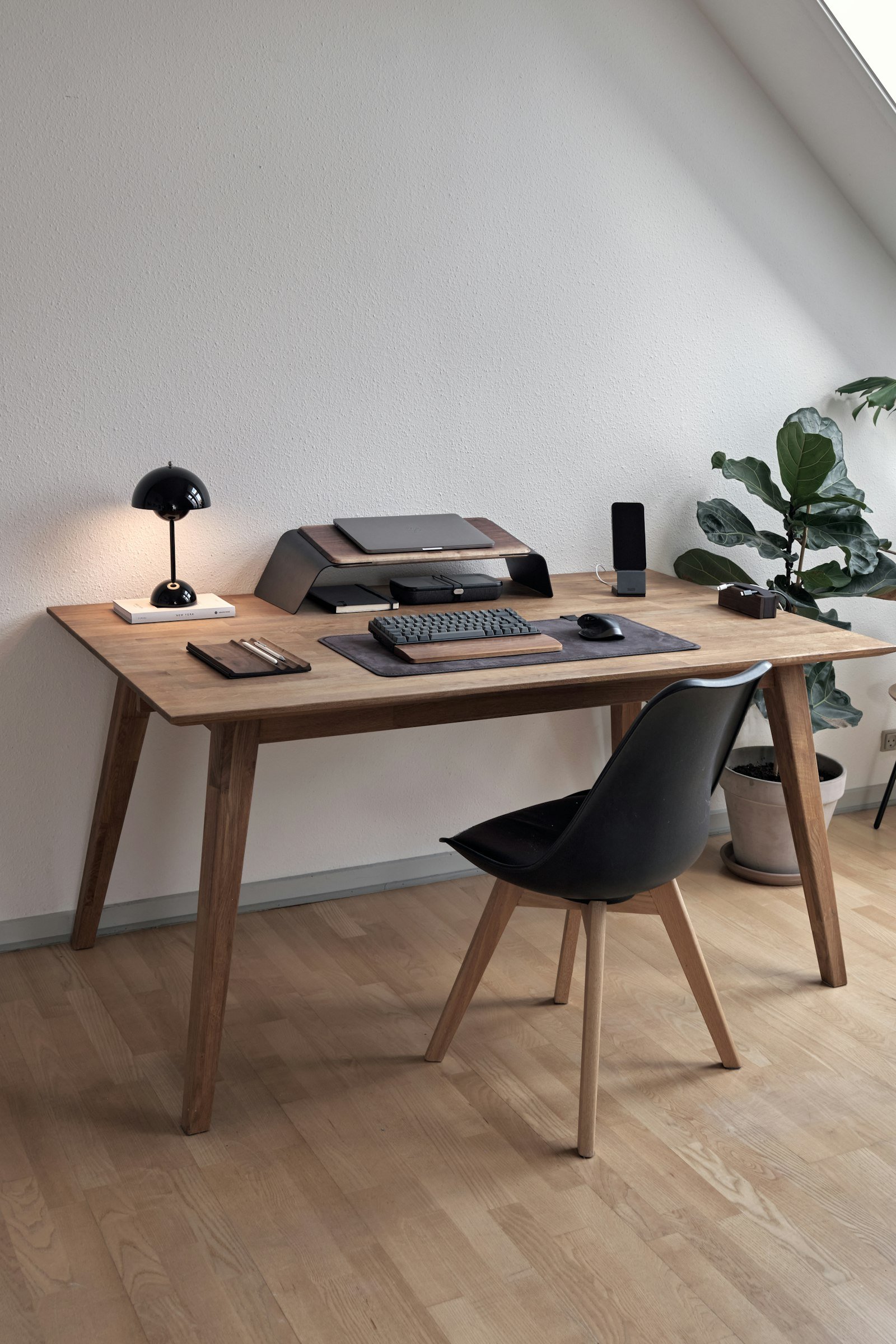
- Screen height. The top of the monitor should sit around eye level, about an arm’s length away. If you use a laptop, raise it on a stand or a stack of books and use a separate keyboard and mouse.
- Chair height. Your feet should rest flat on the floor, with knees roughly level with your hips. Use a footrest or a sturdy box if the chair is too high.
- Back support. Sit back in the chair so your lower back is supported. A small rolled towel or cushion works if the chair has no lumbar curve.
- Arms. Keep elbows close to your body, bent near a right angle, with wrists straight rather than bent up or down.
- Lighting. Avoid glare and dim screens. Squinting makes you lean in without realizing it.
Build In Movement Breaks
Set a reminder to move every 30 to 45 minutes. It does not have to be a big event. Stand while you take a phone call, walk to refill your water, or do one of the stretches below. If you have a height-adjustable desk, alternating between sitting and standing helps, but standing all day is not the cure either. Variety is.
Five Stretches You Can Do at Your Desk
Hold each for 20 to 30 seconds and breathe normally. Stretch to a feeling of mild tension, never sharp pain.
- Chin tucks. Sit tall and gently draw your chin straight back, as if making a double chin, without tilting your head. Repeat 8 to 10 times. This counters the forward-head position.
- Doorway chest stretch. Place your forearm on a door frame with the elbow at shoulder height and step forward gently until you feel a stretch across the chest. Switch sides.
- Seated spinal twist. Sit tall, place one hand on the opposite knee, and rotate your upper body, looking over your shoulder. Switch sides.
- Hip flexor stretch. Stand and step one foot back into a short lunge, tuck your pelvis slightly, and lean forward until you feel the front of the back hip stretch. Switch sides.
- Wrist and forearm stretch. Extend one arm with the palm up and gently pull the fingers back with the other hand. Then flip the palm down and repeat.
Strengthen the Muscles That Hold You Up
Stretching alone is rarely enough. Weak postural muscles tire quickly and let you slump. Two or three short sessions a week make a noticeable difference.
- Glute bridges. Lie on your back with knees bent, lift your hips, squeeze, and lower slowly. Aim for 10 to 15 reps.
- Rows. Use a resistance band or a light bag, pulling your elbows back and squeezing the shoulder blades together.
- Planks. Hold a straight line from head to heels for 20 to 40 seconds to train the core.
- Wall angels. Stand with your back against a wall and slide your arms up and down like a snow angel to open the upper back.
Small Habits That Help
Keep your phone at eye level instead of looking down at it for long stretches, since the same forward-head posture shows up there. Sit with your weight evenly balanced rather than perched on one hip. Avoid crossing your legs for long periods. And take short walks at lunch or between tasks, because walking is one of the simplest ways to undo hours of sitting.
Warning Signs to Take Seriously
Ordinary stiffness usually eases with movement and a better setup. Pain is different. If you notice numbness, tingling, or weakness in your arms or legs, pain that radiates down a limb, pain that wakes you at night, or discomfort that keeps getting worse despite changes, see a doctor or physiotherapist. Do not push through these symptoms.
Frequently Asked Questions
Is a standing desk better than sitting?
Neither is ideal on its own. Alternating between sitting, standing, and moving through the day is more helpful than staying fixed in any single position.
How can I fix a forward head posture?
Raise your screen, practice chin tucks, strengthen the upper back with rows, and stretch the chest. Change takes weeks of regular practice, so aim for consistency over intensity.
Do posture correctors work?
They may remind you to sit tall in the short term, but relying on them can leave the muscles underused. Building strength and changing your setup tends to give longer-lasting results.
How often should I stretch at work?
A minute or two every hour is plenty for most people. Short, frequent breaks beat one long session at the end of the day.
The Takeaway
You do not need a perfect chair or a rigid posture. Adjust your screen and seat, move every half hour, and add a few minutes of strengthening each week. Your back and neck respond best to regular, small changes.
This article is general information, not medical advice. For ongoing or severe pain, consult a doctor or qualified physiotherapist.