Small household problems have a habit of lingering. A dripping tap, a squeaky door, a wobbly handle: none of them is urgent, so they sit on the to-do list for months. Yet each one wastes something, whether it is water, patience, or the quiet of your home. The good news is that most of these repairs take under an hour, cost very little, and need only a few basic tools.
Build a Simple Repair Kit First
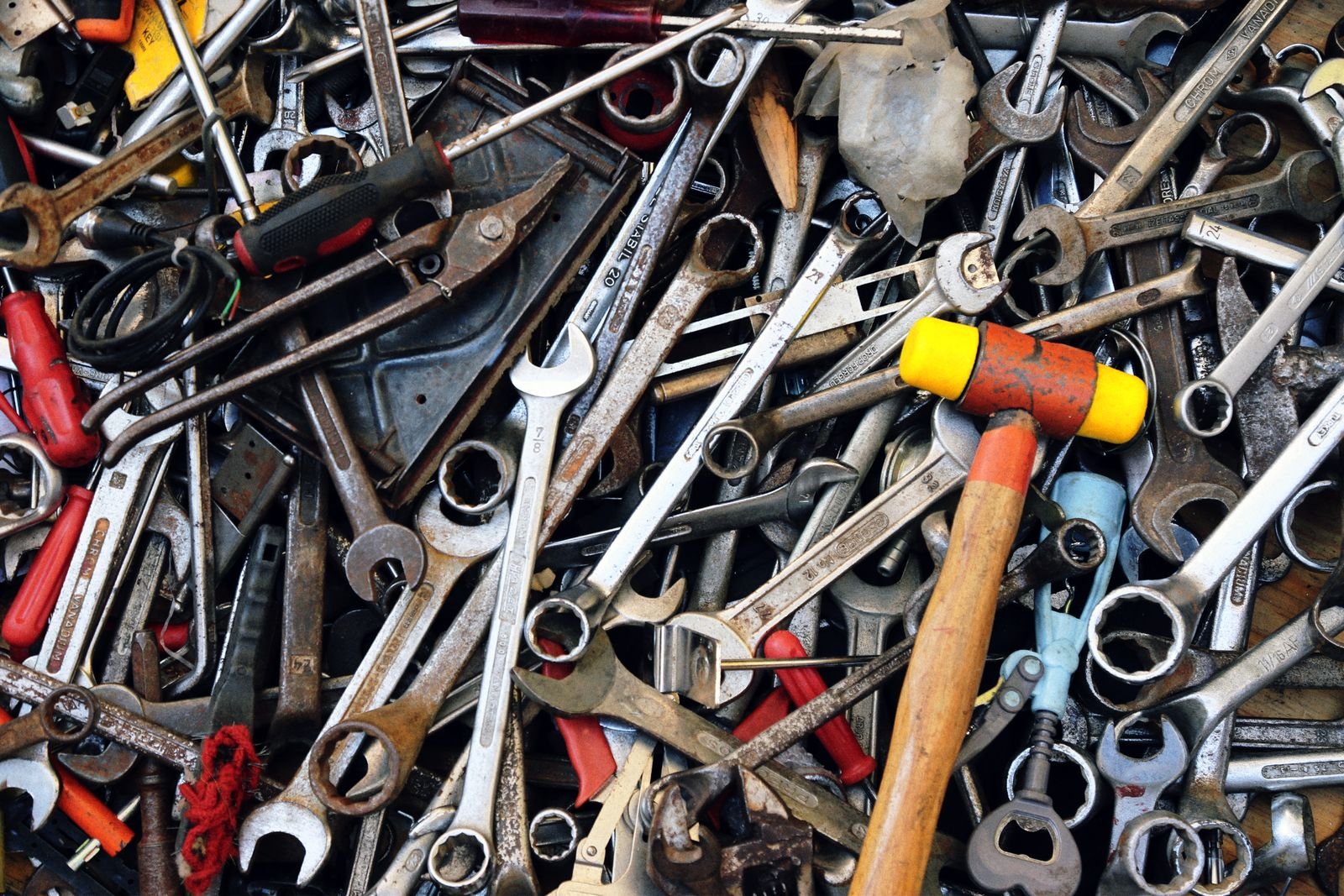
Having the right tools at hand turns a chore into a quick job. Keep a small box with:
- Screwdrivers (flat and Phillips, in two sizes)
- Adjustable wrench and pliers
- Hammer and a small rubber mallet
- Tape measure and a small spirit level
- Allen keys (hex keys)
- Multi-purpose lubricant and a dry silicone or graphite lubricant
- Wood glue and wooden toothpicks or matchsticks
- Plumber’s tape (PTFE) and spare tap washers
- Sandpaper in medium and fine grit
- A torch and a few cloths
Before any repair involving water or electricity, switch off the supply and test that it is really off.
Fix 1: A Dripping Tap
A tap that drips once per second can waste thousands of liters of water per year, and the sound alone is maddening. Most drips come from a worn rubber washer or O-ring inside the tap, and replacing it is simple on traditional taps.
- Turn off the water. Use the isolation valve under the sink, or the main supply if there is none. Open the tap to release remaining water.
- Block the plughole with a cloth, so small parts do not fall in.
- Remove the handle. Pry off the decorative cap, undo the screw underneath, and lift the handle off.
- Unscrew the tap head using an adjustable wrench to reach the stem and washer.
- Replace the washer at the bottom of the stem and any worn O-ring. Take the old parts to a hardware store to find a matching size.
- Reassemble in reverse order, turn the water on slowly, and check for leaks.
Modern mixer taps and ceramic-disc taps work differently and usually need a replacement cartridge. If the tap still drips after a new washer, the seat inside the tap may be worn, and a plumber can advise on repair or replacement.
Fix 2: A Squeaky Door
Squeaking almost always comes from dry hinges. The fix takes five minutes.
- Identify the noisy hinge by opening and closing the door slowly.
- Place a cloth or paper under the hinge to catch drips.
- Apply a few drops of lubricant to the hinge pin and the joints, and work the door back and forth to spread it.
- If the squeak continues, remove the pin by tapping it upward with a nail and hammer, wipe it clean, coat it lightly with lubricant, and replace it.
- Wipe off the excess so it does not stain the door or the floor.
Use a light machine oil or a silicone spray. Avoid heavy grease on interior doors, since it can attract dust and leave marks.
Fix 3: A Loose Door Handle or Cabinet Knob
Handles loosen with daily use. Start by tightening the screws. If they simply keep spinning, the screw hole in the wood has probably become stripped.
- Remove the screw and dip a wooden toothpick or matchstick in wood glue.
- Push several into the hole until it is packed tightly, and let the glue dry for about an hour.
- Snap off or cut the excess flush with the surface, and drive the screw back in. The screw bites into fresh wood and holds firmly.
For metal door handles with a hidden grub screw, use a small Allen key to tighten it against the spindle.
Fix 4: A Sticking Door
Doors that rub the frame are common when humidity changes the wood or hinges loosen. First, check the hinges and tighten any loose screws. If the door still sticks, find the rubbing spot by sliding a sheet of paper around the gap, or look for shiny, worn patches.
- Remove the door if needed and sand the edge gradually, starting with medium grit and finishing with fine grit.
- Seal any bare wood with paint or varnish, since raw wood absorbs moisture and swells again.
- Only plane the door as a last resort, as removing too much cannot be undone.
Fix 5: A Sticking Drawer
Drawers that jam usually need cleaning and lubrication. Remove the drawer, vacuum the runners, and check for loose pieces. For wooden runners, rub a candle or a bar of dry soap along the contact surfaces. For metal slides, spray a little silicone lubricant. If the drawer front has loosened, add a dab of glue to the joints and clamp them until dry.
Fix 6: Small Holes in Walls
Nail holes and small dents are easy to repair. Press a little ready-mixed filler into the hole with a putty knife, scrape the surface flat, let it dry, sand it smooth, and touch up with matching paint. For larger holes up to the size of a coin, use a self-adhesive mesh patch before applying filler.
Fix 7: A Running Toilet
If the toilet keeps filling or you hear water trickling, lift the cistern lid and look inside. A worn flapper valve, a misadjusted float, or a faulty fill valve is usually responsible. Adjust the float so that the water level stops about 2.5 cm below the overflow tube. If the flapper looks warped or cracked, replace it with a matching part. These parts are inexpensive and generally need no special tools.
When to Call a Professional
DIY is satisfying, but some jobs are better left to qualified tradespeople:
- Anything involving gas appliances or pipes.
- Electrical wiring beyond changing a light bulb or a simple fitting with the power off.
- Persistent leaks inside walls or ceilings, or signs of damp and mold.
- Structural cracks, or sagging floors and ceilings.
If you are unsure, it is cheaper to ask for advice than to repair a mistake.
Frequently Asked Questions
How can I tell which type of tap I have?
Traditional taps with separate hot and cold handles that turn several times are usually washer-based. Taps that quickly turn a quarter or half turn are generally ceramic-disc models.
Is silicone spray safe for hinges?
Yes. It is clean, long-lasting, and does not attract dust the way thick grease can.
Can I use toothpaste to fill nail holes?
It might work temporarily, but proper filler is cheap, dries harder, and sands more cleanly.
How often should I check for small repairs?
A quick walk-through every few months is enough to spot loose screws, drips, and squeaks before they grow.
The Takeaway
Most household annoyances have simple solutions. Assemble a basic repair kit, tackle one small fix per weekend, and always switch off water or power first. You will save money, avoid waste, and enjoy the quiet satisfaction of a home that works the way it should.