Service gave your days a clear purpose: a mission, a team, and a reason to get up each morning. After leaving, many veterans notice that this sense of purpose fades, even when family life and work are going well. Volunteering is one of the most natural ways to bring it back. It lets you put your skills to work, meet people, and see the difference you make.
Why Volunteering Suits Veterans
Veterans often bring qualities that community organizations badly need: reliability, leadership, practical problem solving, and a strong sense of duty. At the same time, volunteering gives something back.
- Purpose and meaning. Helping others creates a visible, personal sense of contribution.
- Connection. Working side by side with a team rebuilds the kind of bonds many veterans miss.
- Structure. A regular commitment gives shape to your week.
- Skills and references. Volunteering can build experience, show employers your initiative, and expand your network.
- Wellbeing. Studies of volunteers often report higher life satisfaction and a lower sense of isolation, particularly when the activity is regular and meaningful.
Step 1: Reflect on What You Want
The best volunteer role is one you will enjoy enough to continue. Before saying yes to the first opportunity, ask yourself a few questions:
- Which causes matter most to me: children, the elderly, education, the environment, health, other veterans?
- Do I prefer working with people, with my hands, or behind the scenes?
- How much time can I give each week or month?
- Do I want to use my professional skills or try something completely new?
- Do I prefer a team setting or independent tasks?
Be honest about your energy and schedule. A small, steady commitment is better than a large one you cannot keep.
Step 2: Explore Ways to Help
Volunteering takes many forms, and your background may fit more of them than you expect.
- Mentoring and tutoring: guide young people, support students, or help fellow veterans moving into civilian careers.
- Practical help: repair homes for elderly neighbors, help with moving, or assist with community building projects.
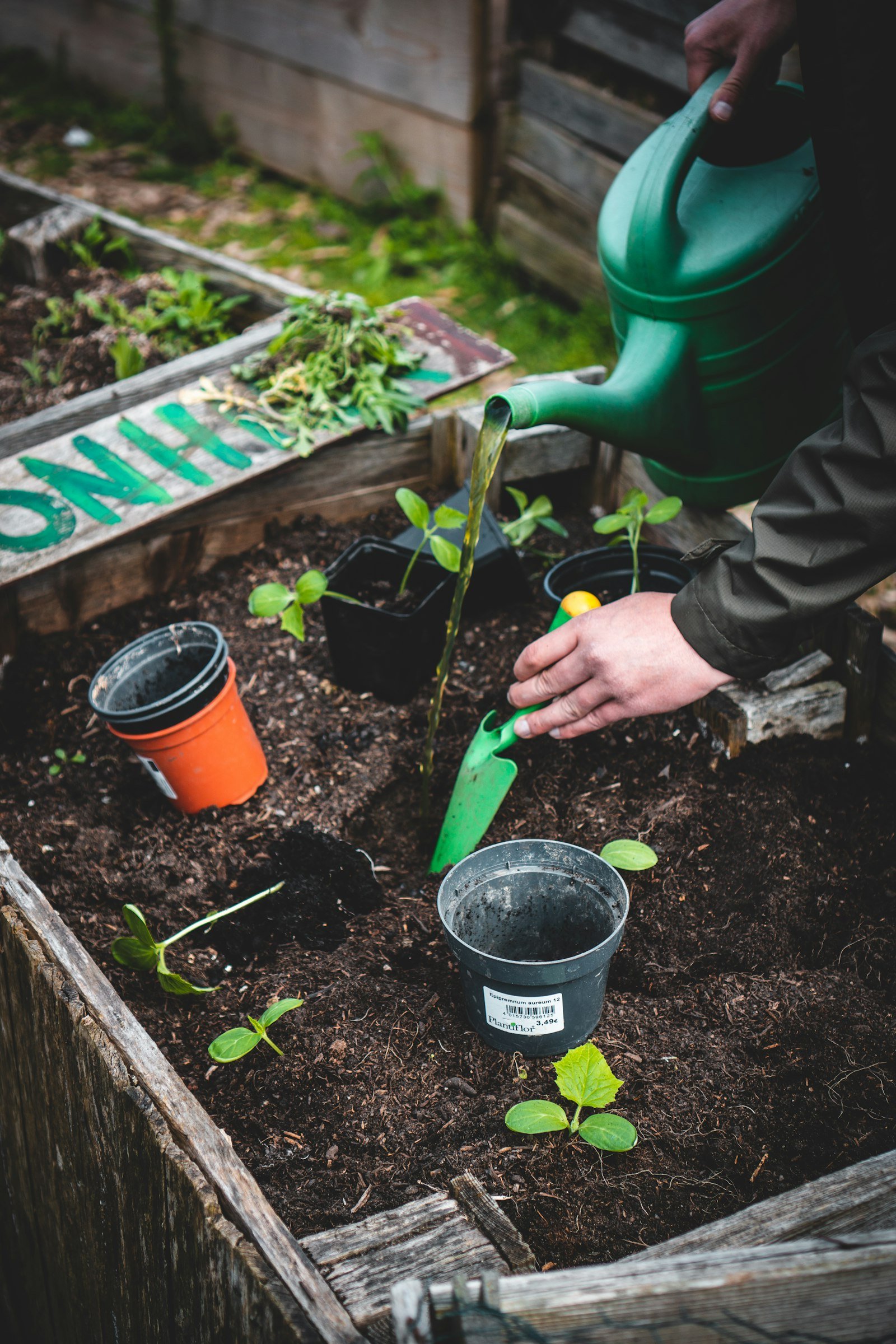
- Community and environmental work: tree planting, park cleanups, community gardens, and recycling programs.
- Food and relief efforts: food banks, meal programs, and collections for families in need.
- Emergency and safety support: first aid training, neighborhood safety programs, and disaster relief organizations that accept trained volunteers.
- Healthcare and care support: visiting patients, supporting care homes, and helping at community clinics.
- Veteran organizations: helping run events, supporting peers, or assisting with paperwork and guidance.
- Skills-based volunteering: offering accounting, IT, legal knowledge, project management, or organizational skills to nonprofits.
Step 3: Find Reputable Opportunities
Look for organizations with a clear mission and a track record.
- Ask local community centers, libraries, schools, and places of worship or community gathering about volunteer needs.
- Contact veterans’ associations and local government offices.
- Search volunteer matching websites and community noticeboards in your region.
- Ask friends or former colleagues where they volunteer.
Before committing, find out how the organization operates, who supervises volunteers, what training is provided, and what is expected of you. Reputable groups will answer these questions openly. Be careful with any group that asks you to pay a fee to volunteer or is unclear about where donations go.
Step 4: Start Small and Try It Out
A trial period helps you decide whether the role fits. Offer to help for a single event or a month before committing long-term. Pay attention to how you feel afterward. Energized and useful is a good sign. If the work drains you, or the atmosphere does not suit you, thank the organization politely and look elsewhere. Not every opportunity will be right, and that is normal.
Step 5: Use Your Strengths
Think about how your experience translates. A veteran who led a team may be ideal for coordinating volunteers. Someone with technical training might repair equipment for a community project. Experience in logistics could help a food bank run smoothly. People who learned to stay calm under pressure make valuable helpers in busy or stressful environments. At the same time, be open to learning. Being a newcomer again, taking guidance, and working under another person’s lead can be a refreshing change.
Step 6: Set Healthy Boundaries
Generous people sometimes overcommit. Protect your time and health by setting limits from the start.
- Agree on specific days and hours, and be clear about what you can and cannot do.
- Do not feel obliged to take on emotionally heavy tasks if you are not ready. Choose roles that feel manageable.
- Keep time for family, rest, and your own needs.
- Take breaks when you feel tired, and tell the coordinator if circumstances change.
Volunteering should add to your life, not become another source of pressure.
Step 7: Turn Volunteering Into Opportunity
Volunteer work can quietly support your career as well. Keep a record of what you do, the skills you use, and the results you help achieve. Add it to your resume, and ask supervisors for a reference or a short recommendation letter. Volunteering can also lead to paid roles, since organizations often hire from within, and the people you meet may know of openings.
Involving Your Family
Many volunteer activities welcome families. Taking part together, for example in a community cleanup or a charity walk, builds shared memories and shows children the value of service. It can also help family members better understand what matters to you.
Frequently Asked Questions
How much time do I need to give?
As little or as much as you can manage. Even two or three hours a month can make a difference, and many roles are flexible.
Do I need special qualifications?
Most roles need only willingness and reliability. Some, such as working with children or vulnerable people, may require background checks or training, which the organization will explain.
Can volunteering help me find a job?
It often helps. You gain recent experience, references, and contacts, and you show initiative to potential employers.
What if I feel nervous about starting?
That is common. Bring a friend or fellow veteran for the first session, and tell the coordinator you are new so that they can guide you.
The Takeaway
Volunteering can give back what many veterans miss most: purpose, teamwork, and the satisfaction of making a real difference. Reflect on what matters to you, start with a small commitment, and choose a reputable organization. Make one call or send one message this week to ask how you can help.